Kenya Tenders - Government Procurement, PPIP Portal & Complete Bidding Guide

Kenya is East Africa's largest and most dynamic procurement market and its public contracting pipeline is more active, more transparent and more accessible than at any point in the country's history. Driven by President Ruto's administration's ambitious Bottom Up Economic Transformation Agenda (BETA) and the enduring framework of Vision 2030, the Kenyan government is channelling billions of Kenyan shillings annually into infrastructure, healthcare, digital transformation, renewable energy, housing and social services every shilling representing a tangible contract opportunity for contractors, suppliers, consultants and service providers.
The scale is remarkable. Kenya's development expenditure budget for the 2024/25 financial year alone amounts to approximately US$5.5 billion, with the fourth medium-term plan estimated at US$121 billion including US$58.5 billion to be spent on infrastructure. From multi-billion-shilling road construction contracts awarded by the Kenya National Highways Authority to routine supply tenders floated by county governments across all 47 counties, Kenya government tenders represent one of the most substantial and consistent business opportunity pipelines on the African continent.
Yet the complexity is real. Kenya's procurement landscape spans hundreds of national procuring entities, 47 county governments, World Bank and AfDB-funded projects, NGO procurement and a dedicated set-aside programme for youth, women and persons with disabilities. Tenders are published across multiple platforms, with the official Public Procurement Information Portal at tenders.go.ke serving as the primary digital hub. Without the right tools, intelligence and systematic approach, even experienced bidders routinely miss high-value opportunities.
This is the definitive guide to Kenya tenders written for contractors, suppliers, MSMEs, youth enterprises, consultants and international bidders serious about capturing their share of Kenya's extraordinary procurement market. And throughout this guide, you will see exactly how KenyaTenders.com gives you the strategic edge that transforms opportunity awareness into contract awards.
Why Kenya Is East Africa's Most Significant Procurement Market
Kenya's public procurement system has undergone a fundamental transformation over the past decade - from a manual, newspaper driven process prone to opacity and patronage to a digitised, legally mandated and increasingly transparent framework that invites competitive participation from local and international suppliers alike.
The Public Procurement Regulatory Authority (PPRA) plays a crucial role in promoting good governance, transparency and accountability in public procurement, ensuring that public resources are used for development and in extension, the benefit of Kenyans. This institutional commitment to procurement integrity is not rhetoric - it is embedded in law and enforced through real mechanisms.
The Public Procurement and Asset Disposal Act (PPADA), 2015 is the main law governing public procurement in Kenya. It sets out the principles and procedures for public procurement, as well as the roles and responsibilities of different stakeholders. The PPADA is supported by the Public Procurement and Asset Disposal Regulations (2020), which provide detailed operational guidance on implementation.
What makes Kenya's tender market uniquely compelling:
- Continental Scale in a Single Market: Kenya's infrastructure sector delivers cost-effective, world-class transport, energy, ports, economic zones and industrial parks that support Vision 2030 and the Bottom-Up Economic Transformation Agenda (BETA). It includes over 9,484 km of paved roads, expansion of the Standard Gauge Railway beyond the 472 km Mombasa Nairobi line, a modern aviation network led by Jomo Kenyatta International Airport and major port investments at Mombasa and Lamu.
- Decentralised Procurement at 47 County Level: Kenya's devolution framework means that all 47 counties independently procure goods, works and services - multiplying the volume of available Kenya tender opportunities dramatically beyond what the national government alone generates.
- AGPO's Inclusive Procurement Architecture: The Kenyan government has set aside 30% of all public procurement opportunities exclusively for enterprises owned by youth, women and persons with disabilities (PWDs) through the Access to Government Procurement Opportunities (AGPO) program. This creates a protected lane for smaller businesses that is virtually unmatched anywhere in Africa.
- Donor-Funded Procurement Adds Volume: World Bank, African Development Bank and bilateral donor-funded projects generate significant additional Kenya procurement opportunities, often with international competitive bidding requirements that attract global suppliers.
- A Digital-First Portal: PPIP (Public Procurement Information Portal) at tenders.go.ke is Kenya's official national e-procurement platform managed by the PPRA. All procuring entities are required to publish tender notices, addenda, evaluation results and contract awards. The portal covers open tenders, restricted tenders, requests for quotations and expressions of interest from over 1,000 national procuring entities and 47 county governments.
For any contractor, supplier or service provider looking to build a stable, long-term revenue stream in East Africa, Kenya government tenders are the foundation to start with.
Kenya's Major Tendering Authorities: Who Issues What
Understanding which entities generate the highest volumes and values of Kenya tenders is the first step toward targeted, efficient bid prospecting. Here is a comprehensive breakdown of the most active and significant procuring authorities.
- Kenya National Highways Authority (KeNHA) One of the most prolific issuers of high-value civil construction tenders in Kenya. Kenya National Highways Authority aims to construct 2,349 km of roads and develop a 50-year national trunk road master plan by 2027. The US$3.6 billion Nairobi-Mombasa Expressway project is one of dozens of PPP projects moving forward in Kenya. KeNHA tenders include road construction, rehabilitation, maintenance, bridge works and highway management contracts.
- Kenya Urban Roads Authority (KURA) & Kenya Rural Roads Authority (KeRRA) KURA handles urban road infrastructure in cities and municipalities, while KeRRA manages rural road networks. Both issue consistent volumes of civil works tenders across road construction, drainage and road furniture installation.
- Kenya Power and Lighting Company (KPLC) Kenya Power tenders are among the most sought-after in the energy sector, covering transmission line construction, substation works, transformer supply, metering equipment, IT systems and annual maintenance contracts.
- Kenya Electricity Generating Company (KenGen) In the power sector, where demand is growing by 5% each year, Kenya Electricity Generating Company is moving ahead with plans to develop 82.5MW of solar and 100MW of wind capacity. KenGen tenders cover geothermal, hydroelectric, solar and wind energy development, as well as plant maintenance and engineering services.
- Ministry of Health & County Health Departments Healthcare procurement in Kenya operates at both national and county levels, generating significant volumes of tenders for hospital construction, medical equipment, pharmaceutical supply, laboratory reagents and health IT systems.
- Ministry of Education School construction, furniture supply, textbooks, IT infrastructure and educational service contracts flow consistently from the national Ministry of Education and county education departments.
- Water Works Development Agencies (WWDAs) Kenya has multiple regional water authorities - Athi, Tana, Lake Victoria North, Lake Victoria South, Central Rift Valley and others - each issuing significant tenders for water infrastructure construction, pipeline works, water treatment plants and community water schemes.
- National Housing Corporation (NHC) With the government's focus on addressing Kenya's housing deficit, NHC issues tenders for residential housing construction, renovation and development.
- ICT Authority of Kenya (ICTA) The primary issuer of ICT tenders Kenya, covering digital government platforms, cybersecurity, cloud infrastructure, e-government service development and IT equipment procurement.
- Kenya Ports Authority (KPA) KPA tenders cover port construction and expansion, dredging, cargo handling equipment, IT systems, security services and facilities management for Mombasa and Lamu ports.
- 47 County Governments Each of Kenya's 47 county governments independently procures goods, works and services for county infrastructure, health facilities, schools, markets, water systems and administrative services. County government tenders Kenya represent a massive, geographically distributed opportunity pool.
- World Bank and Donor-Funded Projects Projects financed by the World Bank (IDA), African Development Bank, JICA, USAID and bilateral donors generate tender notices that are published on PPIP and donor-specific portals, often open to international competitive bidding.
- NGO Sector Procurement Kenya hosts hundreds of international and national NGOs - UNHCR, Plan International, Médecins Sans Frontières, Kenya Red Cross and many others - each with significant procurement requirements for supplies, services and works. NGO tenders Kenya form a distinct and valuable opportunity segment.
| Authority | Primary Tender Focus |
|---|---|
| National Construction Authority (NCA) | Contractor registration, construction sector oversight |
| Kenya Railways Corporation | SGR expansion, maintenance, logistics |
| Kenya Airports Authority (KAA) | Airport construction, equipment, services |
| Kenya Forest Service (KFS) | Conservation works, equipment supply |
| National Cereals and Produce Board | Storage construction, logistics, supply |
| Kenya Revenue Authority (KRA) | IT systems, infrastructure, services |
| Kenya Broadcasting Corporation (KBC) | Equipment, services, content |
| State Department for Public Works | Government building construction and maintenance |
Types of High Volume Kenya Tenders
The range of public procurement Kenya categories is broad. Here is a sector-by-sector breakdown of where the highest tender volumes and contract values are concentrated.
Construction and Civil Infrastructure TendersThe dominant segment by value. Construction tenders Kenya cover:
- Road construction, rehabilitation and maintenance (KeNHA, KURA, KeRRA)
- Bridge construction and replacement
- Residential housing under the government's affordable housing programme
- Government building construction (offices, courts, prisons, police posts)
- County market development and social amenity construction
- Airport and port infrastructure works

Kenya's water infrastructure investment is substantial and consistent:
- Community water supply projects (pipeline laying, pump stations, reservoirs)
- Water treatment plant construction and rehabilitation
- Urban sewerage and sanitation infrastructure
- Borehole drilling and equipping contracts
- Water quality testing laboratory services
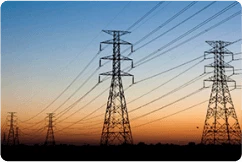
- Electricity transmission and distribution line construction
- Solar energy installation tenders (schools, hospitals, public facilities)
- Geothermal development infrastructure
- Wind energy project works
- Rural electrification contracts
Kenya's digital transformation agenda generates consistent ICT tenders Kenya:
- Government software development and system integration
- Cybersecurity and data protection services
- Hardware and equipment supply
- Network infrastructure installation
- E-government platform development and maintenance
- Hospital and health facility construction
- Medical equipment and devices supply
- Pharmaceutical and laboratory supply
- Healthcare IT and electronic medical records
- Ambulance and medical transport procurement

- School construction and classroom block development
- Furniture and equipment supply to schools
- Textbook and learning material supply
- School feeding programme procurement
- Technical and vocational training centre development
- Security guarding services for government institutions
- Cleaning and housekeeping contracts
- Grounds maintenance and landscaping
- Annual maintenance contracts (AMC) for buildings and equipment
- Engineering design and supervision
- Environmental and social impact assessments
- Feasibility studies and project planning
- Legal and audit services
- Project management consultancy
- Office supplies and stationery
- Vehicles and fleet procurement
- Uniforms and PPE supply
- Agricultural inputs and equipment
- Laboratory supplies and consumables
How to Find Kenya Tenders Online: Portal-by-Portal Guide
Finding relevant Kenya bid opportunities requires knowing every major source and how to use it efficiently. Here is a complete guide.
PPIP - tenders.go.ke (Primary Official Source)The Public Procurement Regulatory Authority (PPRA) publishes public procurement data for Kenya through the Public Procurement Information Portal (PPIP). it is designed to publish contract awards and tender notices as per Executive Order No. 2 of 2018, which requires all procurement entities to disclose public procurement and asset disposal information through the portal. its aims to enhance accountability and transparency in public procurement and asset disposal, aligning with Article 227 of the Constitution of Kenya, which mandates a fair, equitable, transparent, competitive and cost-effective system.
On this platform you can search by procuring entity, category, county or keyword. All open tenders Kenya from national entities must legally be published here.
AGPO Portal - agpo.go.keThe AGPO website provides information on how to register as an AGPO supplier, as well as tender notices specifically for AGPO suppliers. If your enterprise qualifies under the youth, women or PWD categories, the AGPO portal is where reserved AGPO tenders Kenya are listed separately from general competitive tenders.
County Government PortalsEach of Kenya's 47 county governments maintains procurement notices on their official websites and on the PPIP portal. County-level tenders are often less competitive than national ones, representing strong opportunities for locally-based contractors and suppliers.
Donor Project PortalsWorld Bank-funded projects publish procurement notices on the World Bank's STEP platform. AfDB projects use their own procurement portal. UNDP and other UN agencies publish on UNGM (United Nations Global Marketplace).
Daily NewspapersAll open tenders must be advertised on PPIP and in at least two newspapers of national circulation. International tenders (for goods/works not available locally) must additionally be advertised internationally. The Daily Nation, Standard and Business Daily carry tender notices Kenya in their print and online editions.
KenyaTenders.com - The Centralised Intelligence PlatformRather than checking a dozen portals, newspapers and county websites every morning, serious bidders use KenyaTenders.com to find every relevant Kenya tender from all sources in one place. The platform aggregates notices from PPIP, county portals, NGO procurement and donor-funded projects, delivering a comprehensive, searchable and alert-enabled procurement intelligence service.
Advantages of KenyaTenders.com over portal-by-portal manual search:
- All Kenya procurement sources aggregated into one searchable database
- Real-time personalised alerts by sector, authority, county and keywords
- Contract awards database for competitive research
- Corrigendum and addendum tracking
- Coverage of NGO tenders, donor-funded projects and private sector opportunities
- Advance search filters by value, deadline, sector and procuring entity
Kenya eTendering Process: Step-by-Step Guide
Understanding how to participate in Kenya eTendering is essential before submitting your first government bid. Here is a complete walkthrough of the process.
Step 1: Business RegistrationBefore bidding, your business must be properly registered:
- Register your business entity with the Registrar of Companies (for limited companies) or the Business Registration Service (for sole proprietors and partnerships)
- Obtain a valid PIN certificate from the Kenya Revenue Authority (KRA)
- Register for VAT if your annual turnover exceeds the threshold
- For construction works, obtain registration with the National Construction Authority (NCA) in the appropriate category
Government tenders are now managed through the Electronic Government Procurement (e-GP) system. You must register as a supplier on this platform to submit bids. If you encounter issues, visit any Huduma Centre for technical assistance with the e-GP portal.
Step 3: AGPO Registration (Where Applicable)To qualify for youth-reserved tenders, your enterprise must meet specific eligibility criteria. Once approved, you will receive an AGPO Certificate that validates your eligibility to participate in tenders reserved exclusively for youth. Register at agpo.go.ke for access to the 30% reserved procurement category.
Step 4: Tender Discovery and Document AccessSearch for relevant open tenders Kenya on tenders.go.ke or through KenyaTenders.com. Download the tender document. Most bids require payment to access full RFP documentation. Review all technical specifications, evaluation criteria and eligibility requirements carefully.
Step 5: Mandatory Document PreparationThe exact eligibility criteria vary with each Kenyan tender, but common requirements include company registration certificates, KRA PIN and tax compliance certificate, relevant professional licences (NCA for construction), audited financial statements, evidence of similar work experience and AGPO certificate where applicable.
Step 6: Tender Security SubmissionTender Security is typically in the form of a Banker's guarantee, an Insurance Company Guarantee issued by an insurance firm approved by the PPRA, letter of credit or guarantee by a deposit-taking microfinance institution, valid for 180 days from the date of tender opening. The amount varies by contract value typically 1 to 2% of the estimated contract amount.
Step 7: Technical and Financial Proposal PreparationMost Kenya government tenders use a two envelope system - technical proposal and financial proposal submitted separately. The financial bid is only opened for technically compliant bidders. For consultancy tenders, Quality and Cost-Based Selection (QCBS) is commonly used.
Step 8: Online Bid SubmissionUpload all documents through the e-GP portal before the deadline. Tenders must be submitted before 11:00 AM (EAT) on the specified date. Late submissions and electronic tenders will be rejected. Always submit at least 24 hours before the deadline to avoid technical last-minute issues.
Step 9: Tender Opening and EvaluationRestricted tenders require PPRA approval. For Request for Quotations (RFQ), this method applies for goods, works or non-consultancy services below KES 1 million (Class C) to KES 4 million (Class A). Evaluation results and Kenya contract awards are published on PPIP.
Step 10: Contract Award and Performance BondSuccessful bidders receive a Notification of Award and must submit a Performance Bond - typically 10% of the contract value - before contract signing. The Performance Bond is held until satisfactory contract completion.
Common Challenges Contractors Face in Kenya Tendering
Even experienced bidders encounter persistent obstacles in Kenya's procurement landscape. Understanding these pain points is the first step to overcoming them and explains precisely why using the right tools matters so much.
- Fragmented Information Across Multiple Sources Kenya's tender landscape spans PPIP, 47 county portals, NGO procurement systems, donor project databases and daily newspapers. Manually monitoring even half of these sources daily is a full-time job and still produces gaps. Opportunities are routinely missed not because a contractor wasn't qualified, but because they simply never saw the notice.
- Missing Addenda and Corrigenda Procuring entities frequently issue addenda that change tender timelines, specifications, quantities or eligibility criteria. Submitting a bid based on the original document when an addendum exists is an immediate disqualification. Without automated addendum tracking, missing these updates is a consistent and entirely preventable failure mode.
- Complex Documentation Compliance Kenya's procurement law requires specific documentation for each tender and the exact requirements vary between entities, sectors and procurement methods. Missing a single document, submitting an expired tax compliance certificate or presenting NCA certificates in the wrong category can disqualify an otherwise strong bid.
- AGPO Certificate Maintenance AGPO certificates must be renewed regularly. Businesses that allow their AGPO certificates to lapse lose access to the reserved 30% procurement category - missing significant opportunities during the renewal gap.
- County vs. National Tender Complexity County government tenders often have different procedures, portal systems and documentation requirements from national tenders. Contractors operating across multiple counties must navigate 47 different procurement environments simultaneously.
- Deadline Management Across Multiple Simultaneous Bids Active contractors typically pursue multiple tenders concurrently. Managing submission deadlines, pre-bid meeting dates, site visit requirements and document collection timelines across a pipeline of simultaneous opportunities without a systematic tracking system is a recipe for missed deadlines.
- Intense Competition on High-Value Contracts Major infrastructure tenders road construction, building works, energy projects - attract dozens of technically capable bidders. The margin between winning and losing often comes down to preparation quality, local content and pricing precision - all of which benefit from better market intelligence.
- Delayed Payments and Cash Flow Management Kenya's procurement system has historically been challenged by delayed payments from procuring entities. While the PPADA includes payment timeline requirements, cash flow management remains a real challenge for SMEs and smaller contractors that win contracts.
- Understanding World Bank/Donor Procurement Rules Donor-funded projects operate under their own procurement frameworks - World Bank procurement procedures differ from Kenya PPADA procedures. Bidders who are unfamiliar with QCBS, EOI processes and international competitive bidding (ICB) requirements often struggle to compete effectively for these high-value opportunities.
How KenyaTenders.com Helps Contractors and Suppliers Win More Contracts
KenyaTenders.com is built specifically for the Kenyan procurement market. Here is precisely how the platform solves every challenge described above and transforms your bidding results.
- Centralised Kenya Tender Discovery KenyaTenders.com aggregates tender notices from PPIP (tenders.go.ke), county government portals, NGO procurement systems and donor-funded project databases into a single searchable platform. Every latest tender Kenya from every relevant source - in one place, updated daily.
- Real-Time Kenya Tender Alerts Configure personalised alerts by sector (construction, healthcare, ICT, water), procuring authority (KeNHA, county government, Ministry of Health), county (Nairobi, Mombasa, Kisumu, etc.) and keywords. The moment a matching tender notice Kenya is published, you receive an immediate notification - giving you maximum preparation time.
- Contract Awards Database Access KenyaTenders.com's archive of past Kenya contract awards - including awarded values, winning contractors and procurement methods. This competitive intelligence transforms your pricing strategy and helps you identify which opportunities offer the strongest win probability for your profile.
- Addendum and Corrigendum Tracking Every tender you follow on KenyaTenders.com is monitored for addenda and amendments. You receive instant alerts when terms change - ensuring your bid is always prepared against the most current version of the tender document.
- AGPO Tender Coverage KenyaTenders.com specifically flags AGPO tenders Kenya - the 30% reserved category for youth, women and PWD enterprises - making it easy for qualifying businesses to identify and target opportunities without filtering through general competition listings.
- County Tender Coverage All 47 county government procurement notices are aggregated on the platform. Whether you are targeting Nairobi County tenders, Mombasa County contracts, Kisumu infrastructure projects or any other county opportunity, KenyaTenders.com provides comprehensive county-level coverage in one interface.
- NGO and Donor-Funded Tender Access Beyond government procurement, KenyaTenders.com covers NGO tenders Kenya and donor-funded project opportunities - expanding your addressable market beyond the PPIP universe.
- Advance Search and Precision Filtering Filter by procuring authority, sector, procurement method (open tender, RFQ, RFP, EOI), contract value range, submission deadline and county. This precision targeting eliminates noise and helps you focus exclusively on opportunities matching your capabilities and profile.
The ROI Case for Kenya Tender Alerts: Why Smart Contractors Subscribe
In Kenya's competitive procurement environment, early information is your most valuable competitive asset. Here is the return-on-investment argument for subscribing to Kenya tender alerts through KenyaTenders.com.
- First-Mover Advantage Changes Outcomes Discovering a KeNHA road tender on the day of publication versus three days later is the difference between a properly prepared technical proposal and a rushed submission assembled overnight. Contractors with real-time alerts begin mobilising experience certificates, checking NCA category compliance and reaching out to subcontractors days before competitors even know the opportunity exists.
- One Avoided Disqualification Pays for Years of Subscription The most common cause of tender disqualification in Kenya is submitting without a current addendum - or missing a changed deadline or eligibility criterion. Automated addendum tracking through KenyaTenders.com eliminates this risk entirely. A single avoided disqualification on a KES 10 million contract dwarfs the cost of years of subscription fees.
- Pipeline Visibility Enables Strategic Resource AllocationWhen you can see all active Kenya bid opportunities matching your profile simultaneously, you make better decisions about which tenders to pursue aggressively, which to pass on and which to approach as strategic market-entry bids. Without that pipeline visibility, bidding is reactive rather than strategic.
- Historical Award Data Sharpens Pricing Access to Kenya contract award data - what similar contracts were awarded at, who won and in which counties - fundamentally improves your pricing strategy. Systematic use of historical procurement intelligence produces more competitive and more profitable bids over time.
- County Tenders Are Underutilised GoldminesMost contractors focus exclusively on national government tenders and systematically ignore county procurement. Yet county tenders are often less competitive, more accessible to locally based SMEs and cumulatively represent enormous value across 47 counties. KenyaTenders.com's county-level coverage opens this underserved opportunity pool.
Kenya Procurement Trends and Future Opportunities (2026 - 2030)
Understanding where Kenya's procurement pipeline is heading helps businesses position strategically for long-term contract growth.
- Infrastructure Investment Is Sustained and Growing Kenya's infrastructure sector supports Vision 2030 and BETA through over 9,484 km of paved roads, the Standard Gauge Railway expansion, major port investments at Mombasa and Lamu and a modern aviation network. President Ruto's administration has made infrastructure the centrepiece of Kenya's development agenda, ensuring that road construction, bridge works and transport infrastructure tenders will remain high-volume through 2030.
- Affordable Housing Programme One of the key challenges facing the Ruto administration is addressing Kenya's chronic shortage of affordable housing, with demand estimated at more than 200,000 units a year. The private sector is being called upon to help deliver the country's housing programme, with an open call for rapid building construction technologies. This generates a consistent pipeline of housing construction tenders at both national and county levels.
- Renewable Energy Expansion In the power sector, where demand is growing by 5% each year, Kenya Electricity Generating Company is moving ahead with plans to develop 82.5MW of solar and 100MW of wind capacity. Beyond KenGen, rural electrification contracts, solar installations for public facilities and grid expansion tenders from Kenya Power will sustain a rich energy procurement pipeline.
- Digital Government Transformation Kenya's ambition to become East Africa's digital hub is driving sustained investment in ICT infrastructure, e-government platforms, cybersecurity and data centre development. The ICT Authority and Ministry of ICT will remain among the most active issuers of technology procurement notices.
- Healthcare System Expansion Post-pandemic investment in public health infrastructure - new hospitals, health centre construction, medical equipment and digital health systems - is generating consistent procurement volume at both national and county levels.
- Water and Sanitation Infrastructure Kenya's goal of achieving universal access to clean water requires massive ongoing investment in water infrastructure - particularly at the county level. Water Works Development Agencies and county water companies collectively issue hundreds of infrastructure tenders annually.
- Konza Technopolis and Smart City Development Kenya's Konza Technopolis project - Africa's Silicon Savannah - is driving smart city infrastructure procurement covering ICT systems, road infrastructure, utility networks and intelligent building systems.
- PPP Expansion The government is actively pursuing public-private partnerships across transport, energy, housing and social infrastructure. PPP tenders represent some of the largest and most long-term contract opportunities available in Kenya's procurement market.
MSME and Youth Enterprise Participation in Kenya Government Tenders
The narrative that government contracts are only for large, established firms is comprehensively undermined by Kenya's procurement framework. The policy environment is genuinely supportive of MSME and youth enterprise participation and the opportunities are larger than most small business owners realise.
The AGPO Framework - 30% Reserved for Marginalised GroupsAGPO (Access to Government Procurement Opportunities) is Kenya's flagship affirmative-action programme that reserves 30% of all public procurement spending for enterprises owned by youth, women and persons with disabilities (PWDs). Launched on 16 October 2013 by President Uhuru Kenyatta, the programme channels billions of Kenyan shillings each year toward historically marginalised groups. AGPO applies to every procuring entity at both national and county level - making it one of the most far-reaching set-aside schemes on the African continent.
Who Qualifies for AGPO?To qualify for youth-reserved tenders, your enterprise must meet specific criteria. If you are a person with a disability, the age limit extends to 35 years. Before you can apply for AGPO certification, you must have a legally registered business entity. You can register as a sole proprietorship (suitable for individual young entrepreneurs) or a partnership if starting a business with other youth.
How AGPO Tenders Are IdentifiedTenders reserved for youth are clearly marked in the tender notice. Look for "AGPO" or "Youth" in the eligibility section. KenyaTenders.com specifically flags all AGPO-reserved tenders, making it easy to identify and target these opportunities.
PPRA's SME Support MandateThe PPRA provides productive opportunities for small and medium-size enterprises through the preferential public procurement policy. This extends beyond AGPO to preferential evaluation scoring and reserved categories across a range of goods and services.
Practical Steps for MSMEs and Youth Enterprises- Register your business formally and obtain KRA PIN
- Apply for AGPO certification at agpo.go.ke - it is free and opens the reserved category
- Register on the e-GP system for electronic bid submission
- Obtain relevant professional licences (NCA for construction, relevant sector licences)
- Subscribe to KenyaTenders.com and set AGPO-specific alerts
- Start with lower-value, less-competitive tenders to build your track record
- Pursue subcontracting relationships with larger contractors on projects outside AGPO scope
Kenya's procurement law includes provisions for prompt payment of contractors and suppliers. AGPO enterprises can also access financing support through government-backed funds including the Youth Enterprise Development Fund and Women Enterprise Fund - which can provide working capital and bid bond financing for qualifying enterprises.
Kenya Tender Portal: How PPIP and KenyaTenders.com Work Together
Kenya's official procurement portal - tenders.go.ke (PPIP) - is a significant achievement in public procurement digitalisation. But understanding its capabilities and limitations helps explain why a complementary intelligence platform like KenyaTenders.com is essential for serious bidders.
What PPIP Does WellPPIP provides the authoritative source for all tender notices Kenya from national procuring entities. Contract award results, evaluation summaries, addenda and procurement planning information are all published on the portal. It is the legal record of Kenya's public procurement activity.
PPIP's Practical Limitations for Active Bidders- Search functionality is basic - finding relevant opportunities requires manual browsing
- No personalised alert system - bidders must check manually every day
- County government tenders have inconsistent coverage
- NGO and donor-funded tenders are not included
- No historical analytics or competitive intelligence features
- Interface is not optimised for high-volume daily business use
| Feature | (tenders.go.ke) | KenyaTenders.com |
|---|---|---|
| National government tenders | Comprehensive | Aggregated |
| County government tenders | Partial | All 47 counties |
| NGO tenders | Not covered | Included |
| Donor-funded tenders | Not covered | Included |
| Real-time alerts | Manual search only | Personalised email alerts |
| Addendum tracking | Manual | Automated |
| Contract awards database | Limited | Full archive |
| Advanced search filters | Basic | Multi-dimensional |
| AGPO tender flagging | Manual | Auto-flagged |
| Mobile-friendly interface | Basic | Optimised |
The platform covers procurement from all major buyer categories in Kenya's market:
- 900+ national government procuring entities
- All 47 county governments
- State corporations and parastatals (Kenya Power, Kenya Railways, KPA, etc.)
- International NGOs and development organisations
- World Bank, AfDB and donor-funded project tenders
- Private sector procurement (selected categories)
Frequently Asked Questions: Kenya Government Tenders
Q1. What is the official government tender portal for Kenya?The official platform is PPIP - tenders.go.ke, managed by the Public Procurement Regulatory Authority (PPRA). All procuring entities are required to publish tender notices, addenda, evaluation results and contract awards. It covers over 1,000 national procuring entities and all 47 county governments.
Q2. How do I register as a supplier for Kenya government tenders?You need: a registered business entity, KRA PIN certificate, tax compliance certificate and relevant professional licences. Then register on the e-GP system (the Electronic Government Procurement portal) to submit bids online. For AGPO-reserved tenders, additionally register at agpo.go.ke. If you encounter issues, visit any Huduma Centre for technical assistance with the e-GP portal.
Q3. What is AGPO and how does it benefit small businesses?The Kenyan government has set aside 30% of all public procurement opportunities exclusively for enterprises owned by youth, women and persons with disabilities (PWDs) through the AGPO program. This affirmative action initiative helps young entrepreneurs secure government contracts without competing directly with large, established companies.
Q4. What documents are required to bid on Kenya government tenders?Standard requirements include: business registration certificate, KRA PIN and current tax compliance certificate, audited financial statements (last 2 to 3 years), completion certificates for similar work experience, tender security (bid bond), relevant professional licences (NCA for construction) and AGPO certificate where applicable. Exact requirements vary per tender.
Q5. What is the tender security (bid bond) requirement for Kenya tenders?Tender security is typically in the form of a Banker's guarantee, an Insurance Company Guarantee issued by an insurance firm approved by the PPRA, letter of credit or guarantee by a deposit-taking microfinance institution, valid for 180 days from the date of tender opening. The value is typically 1 to 2% of the estimated contract amount.
Q6. What are the largest Kenya tenders available in current year?The highest-value opportunities include: the US$3.6 billion Nairobi-Mombasa Expressway and KeNHA's 2,349 km road construction programme, the government affordable housing programme, KenGen's solar and wind energy development projects and ongoing water infrastructure contracts from the Water Works Development Agencies.
Q7. How do I find AGPO-reserved tenders specifically?AGPO tenders are published on tenders.go.ke with clear AGPO designation. Look for "AGPO" or "Youth" in the eligibility section of the tender notice. KenyaTenders.com automatically flags all AGPO-reserved tenders, making it easy to filter exclusively for set-aside opportunities.
Q8. Can international companies bid on Kenya government tenders?Yes. International tenders (for goods/works not available locally) must additionally be advertised internationally. Foreign companies can participate in internationally advertised tenders and World Bank/donor-funded projects with international competitive bidding (ICB) procedures. Some national tenders require local registration or a local agent.
Q9. What are the different procurement methods used in Kenya?Methods include: open tender (most common, open to all qualified bidders), restricted tender (permitted when few known suppliers exist, requires PPRA approval), Request for Quotations (RFQ - for goods/works below value thresholds), Request for Proposals (RFP - for consultancy services using QCBS, QBS or Least-Cost Selection), direct procurement (emergencies and sole-source only, subject to PPRA review) and low-value procurement for purchases below KES 100,000.
Q10. How do county government tenders differ from national tenders?County tenders are issued by each of Kenya's 47 county governments for local infrastructure, health facilities, schools, markets and services. They follow the same PPADA legal framework but are often less competitive than national tenders, making them more accessible for locally based SMEs and contractors. KenyaTenders.com aggregates county procurement from all 47 counties.
Q11. What is the most common reason for bid rejection in Kenya tenders?Top disqualification reasons include: late submission, missing or expired tax compliance certificate, incorrect or missing tender security, failure to meet NCA registration category for construction tenders, submitting without a current addendum and non-compliance with AGPO requirements for reserved categories.
Q12. How do I get real-time Kenya tender alerts?Register on KenyaTenders.com, configure your sector preferences, authority filters, county targets and keywords. You will receive immediate notifications matching your profile whenever a relevant Kenya tender is published - across PPIP, county portals, NGO procurement and donor-funded projects.
Q13. What is the PPRA and what role does it play?The Public Procurement Regulatory Authority (PPRA) is responsible for regulating and overseeing public procurement and asset disposal processes, promoting good governance, transparency and accountability in public procurement, ensuring that public resources are used for development and in extension, the benefit of Kenyans.
Q14. How do World Bank-funded tenders in Kenya work?World Bank-funded Kenya tenders follow World Bank procurement procedures (not PPADA), using methods like International Competitive Bidding (ICB), National Competitive Bidding (NCB) and Quality and Cost-Based Selection (QCBS) for consultancies. These are published on the World Bank's STEP platform and on PPIP. KenyaTenders.com aggregates these donor-funded opportunities alongside government tenders.
Q15. How does KenyaTenders.com differ from tenders.go.ke?PPIP (tenders.go.ke) is the official government platform covering national entities only, with manual search and no alert system. KenyaTenders.com aggregates national tenders, all 47 county governments, NGO procurement and donor-funded projects into one platform, with real-time personalised alerts, addendum tracking, contract award archives, AGPO flagging and advanced search - making it the essential professional tool for serious bidders.
Conclusion: Kenya's Procurement Market Is Open - Are You Positioned to Win?
Kenya's government procurement market is large, transparent, legally structured and genuinely accessible to contractors and suppliers of all sizes. From multi-billion-shilling infrastructure projects to county-level supply contracts and 30% AGPO-reserved opportunities for youth and women enterprises, the breadth of Kenya bid opportunities available to businesses that approach procurement systematically is extraordinary.
But systematic participation requires systematic intelligence. The days of reading newspaper tender notices and manually checking portals once a week are over and the contractors winning Kenya government contracts are those who know about opportunities the day they are published, track every addendum and come to every submission with well-prepared, compliant, strategically priced bids.
That is precisely the competitive advantage that KenyaTenders.com delivers.
From real-time Kenya tender alerts matched precisely to your sector, county and keyword profile, to comprehensive coverage of PPIP, county governments, NGO procurement and donor-funded projects - KenyaTenders.com is the one platform that ensures you never again miss a contract you were qualified to win.
Your Action Plan to Start Winning Kenya TendersStep 1 - Get Compliant: Ensure your business registration, KRA tax compliance, NCA certificates and AGPO certification (if applicable) are all current. No amount of market intelligence helps if you're disqualified on documentation.
Step 2 - Register on KenyaTenders.com: Set up your free account and configure your personalised tender alert profile. Choose your sectors, target authorities and county coverage.
Step 3 - Track Every Addendum: Every tender you pursue, monitor for amendments on KenyaTenders.com. Submit on current terms - always.
Step 4 - Target AGPO Opportunities: If your enterprise qualifies, activate AGPO filtering and focus initial bidding efforts on the 30% reserved category where competition is structurally lower.
Step 5 - Explore County Tenders: Set alerts for all counties where you operate. County procurement is underserved by most bidders and represents strong opportunities for locally based businesses.
Step 6 - Build Your Track Record Systematically: Use KenyaTenders.com's contract award database to identify well-matched opportunities. Win your first government contracts, accumulate experience certificates and scale your bidding capacity progressively.
Step 7 - Subscribe for Full Access: Premium access delivers complete tender documents, daily alerts, advanced analytics and the full contract awards archive - everything you need to operate as a professional, high-performing procurement participant.
Kenya's public procurement market is open. The PPADA framework is built to be fair. The AGPO set-aside exists to create opportunity. And KenyaTenders.com exists to make sure you find every opportunity that matters to your business - before your competitors do.
Register on KenyaTenders.com today and start building the government contract portfolio your business deserves.
This guide is for informational purposes only. Always refer to official tender documents published on the PPIP portal (tenders.go.ke) and consult qualified procurement advisors or legal counsel for guidance on Kenya's Public Procurement and Asset Disposal Act (PPADA) compliance.

Fresh and verified Tenders from Kenya. Find, search and filter Tenders/Call for bids/RFIs/RFPs/RFQs/Auctions published by the government, public sector undertakings (PSUs) and private entities.
- 1,000+ Tenders
- Verified Tenders Only
- New Tenders Every Day
- Tenders Result Data
- Archive & Historical Tenders Access
- Consultants for RFI/RFP/RFQ
- Tender Notifications & Alerts
- Search, Sort, and Filter Tenders
- Bidding Assistance & Consulting
- Customer Support
- Publish your Tenders
- Export data to Excel
- API for Tender Data
- Tender Documents

Fill out the form below and you will receive a call from us within 24 hours.
Get FREE SAMPLE TENDERS from Kenya in your email inbox.
Copyright © 2014-2026 KenyaTenders.com. All Rights Reserved.